
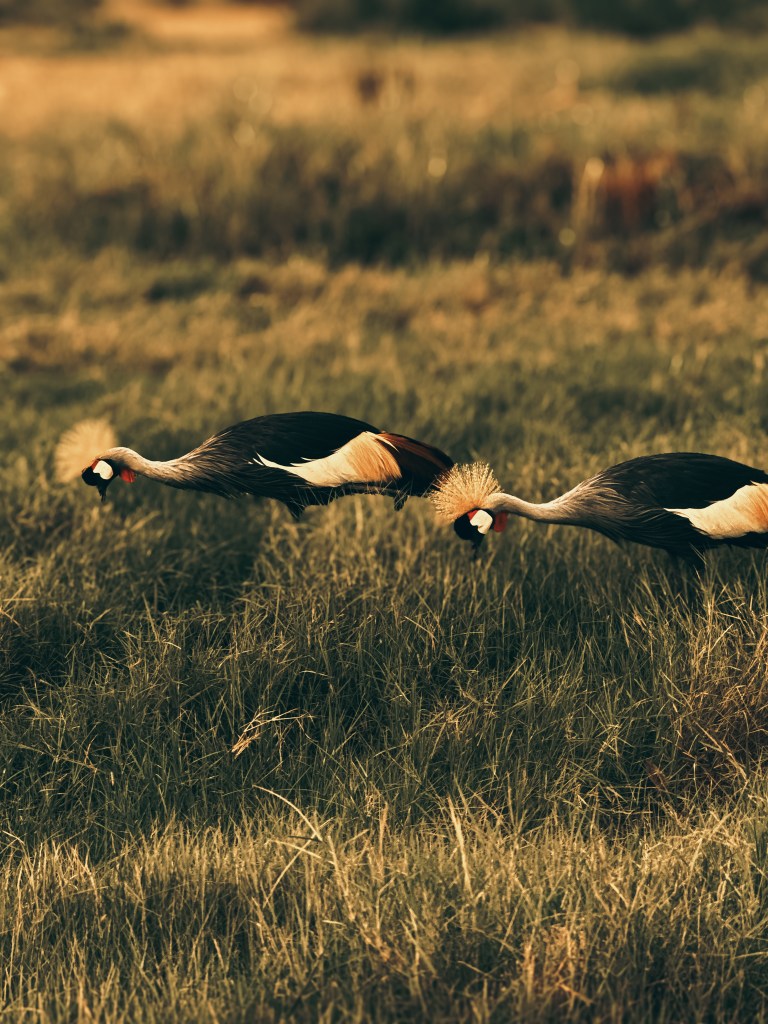
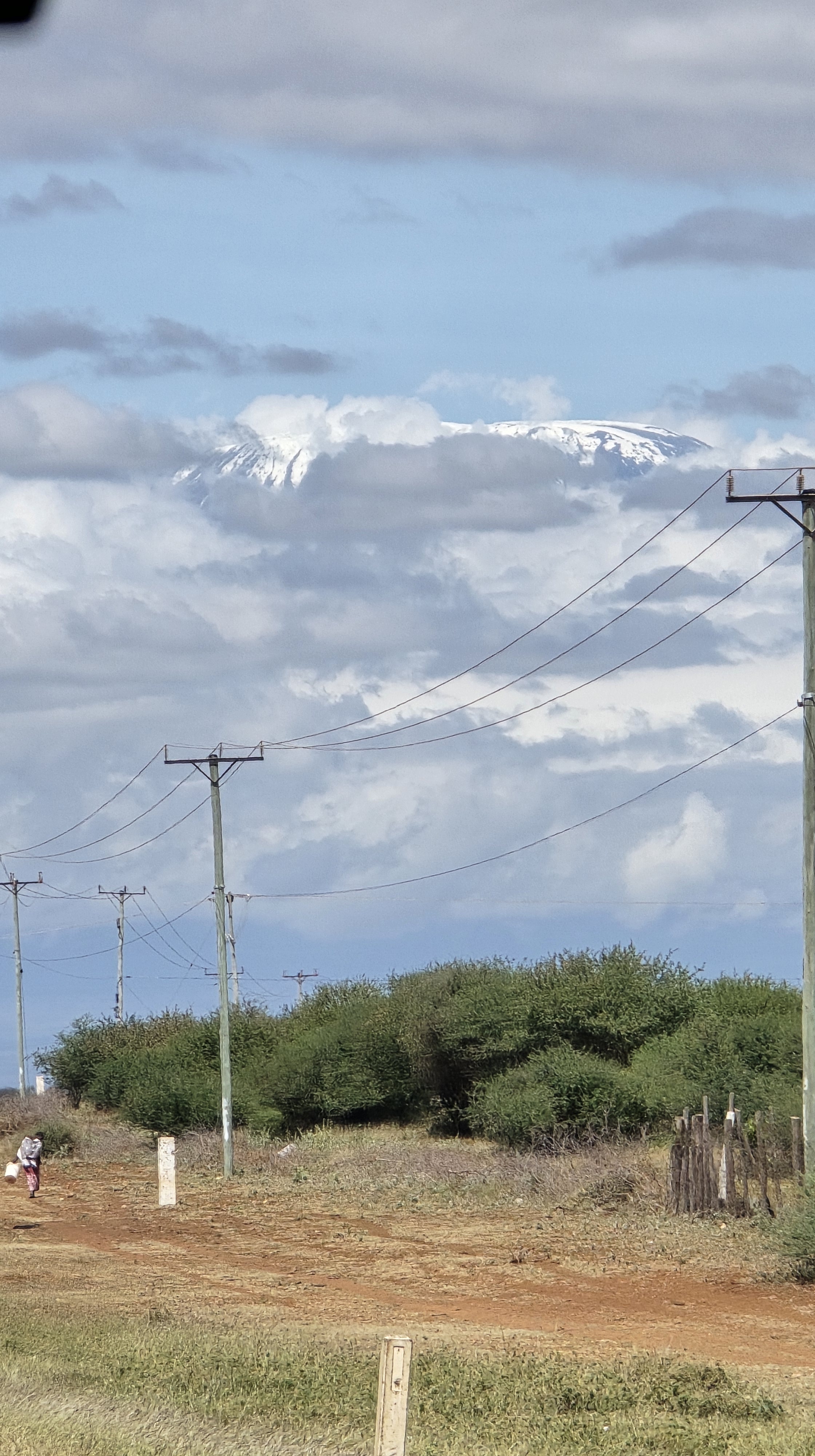
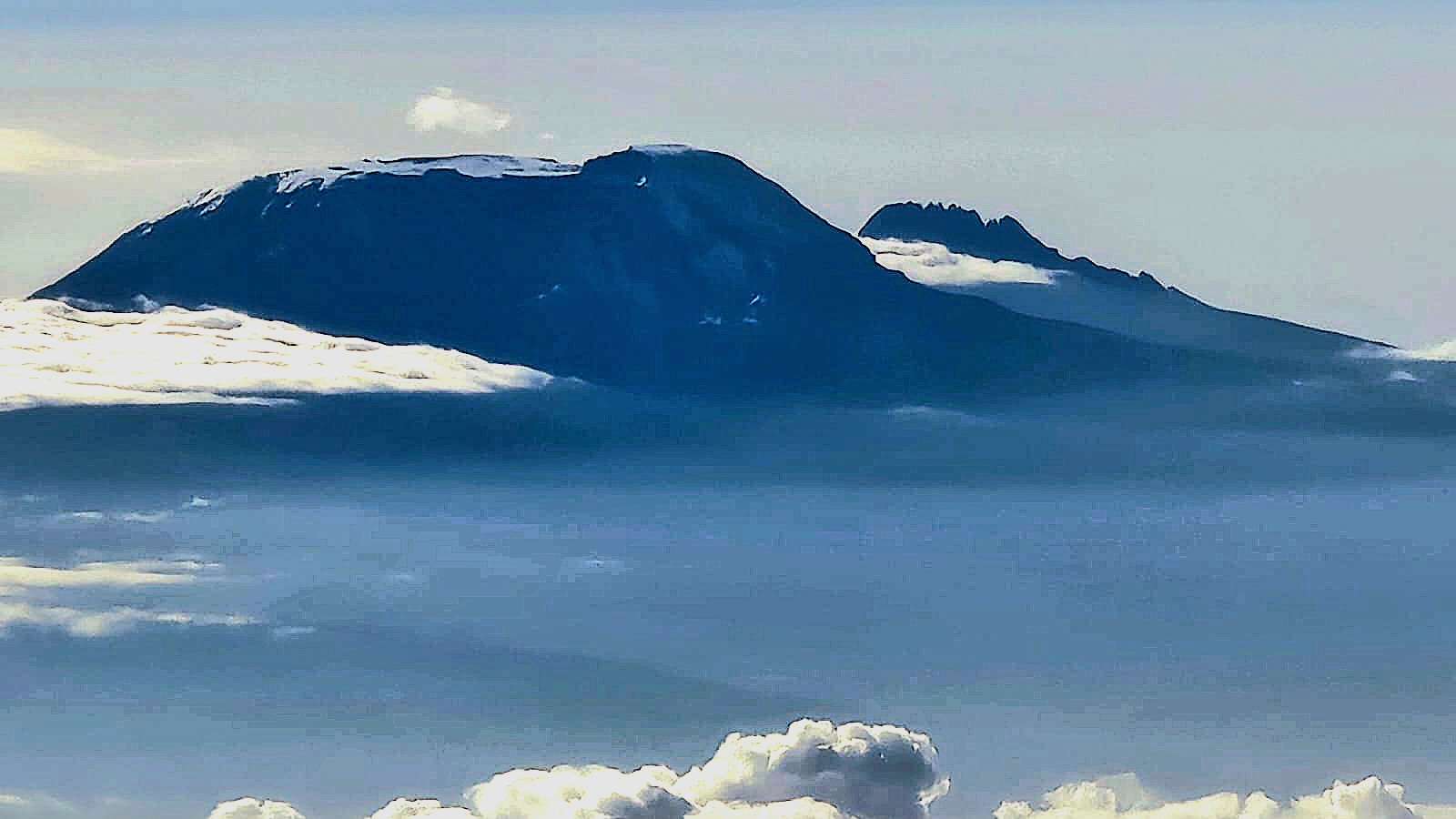
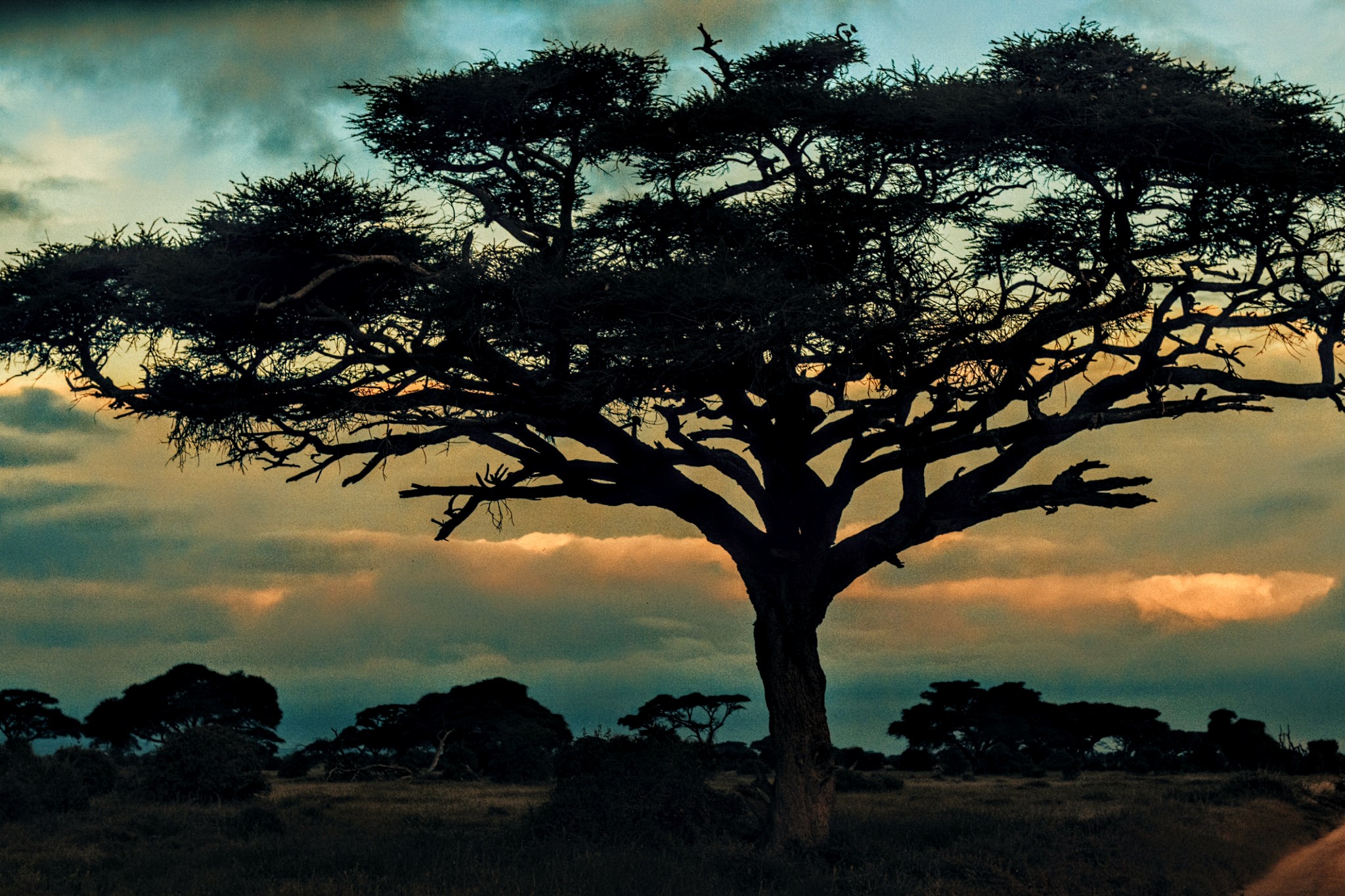
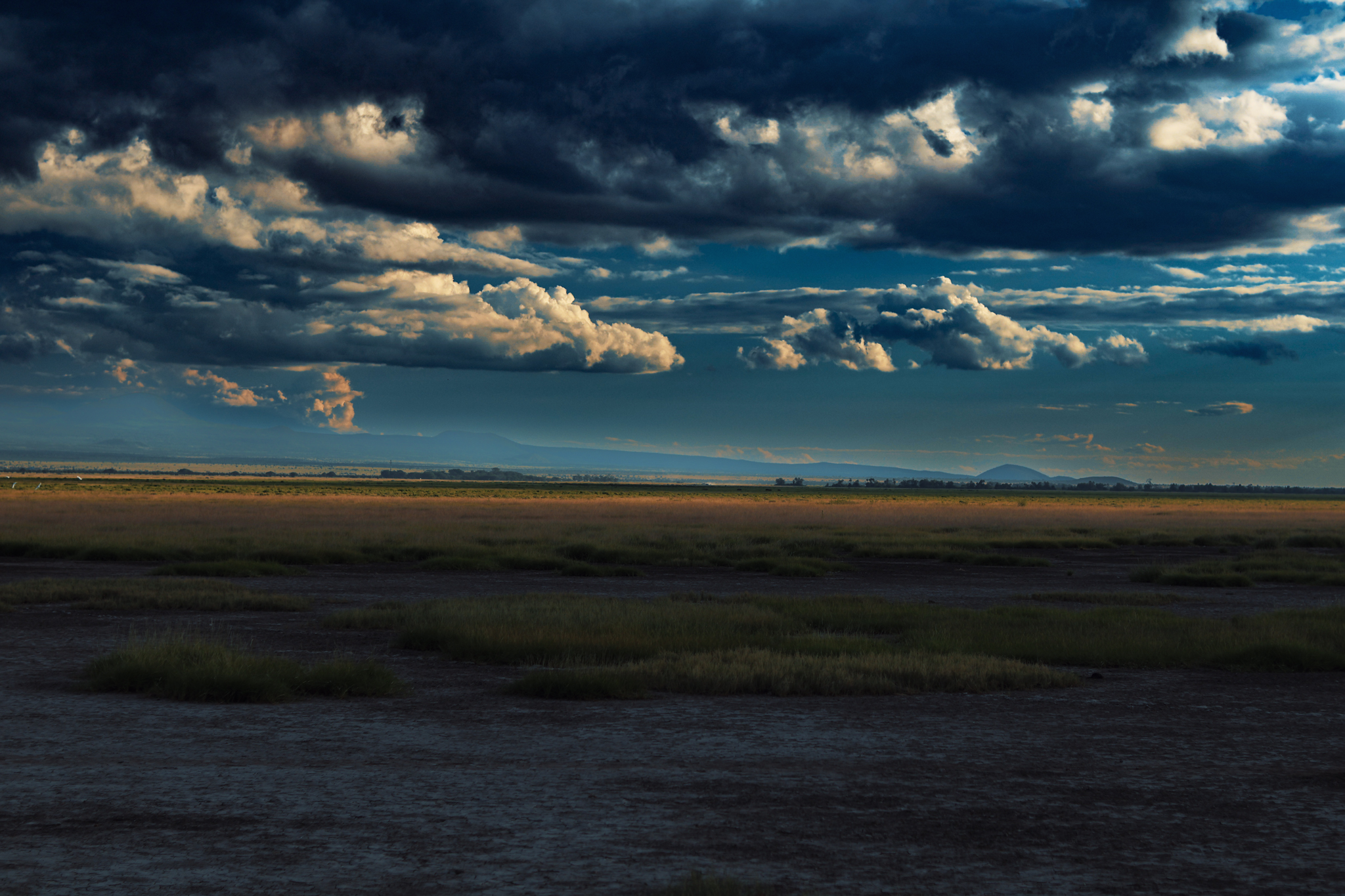
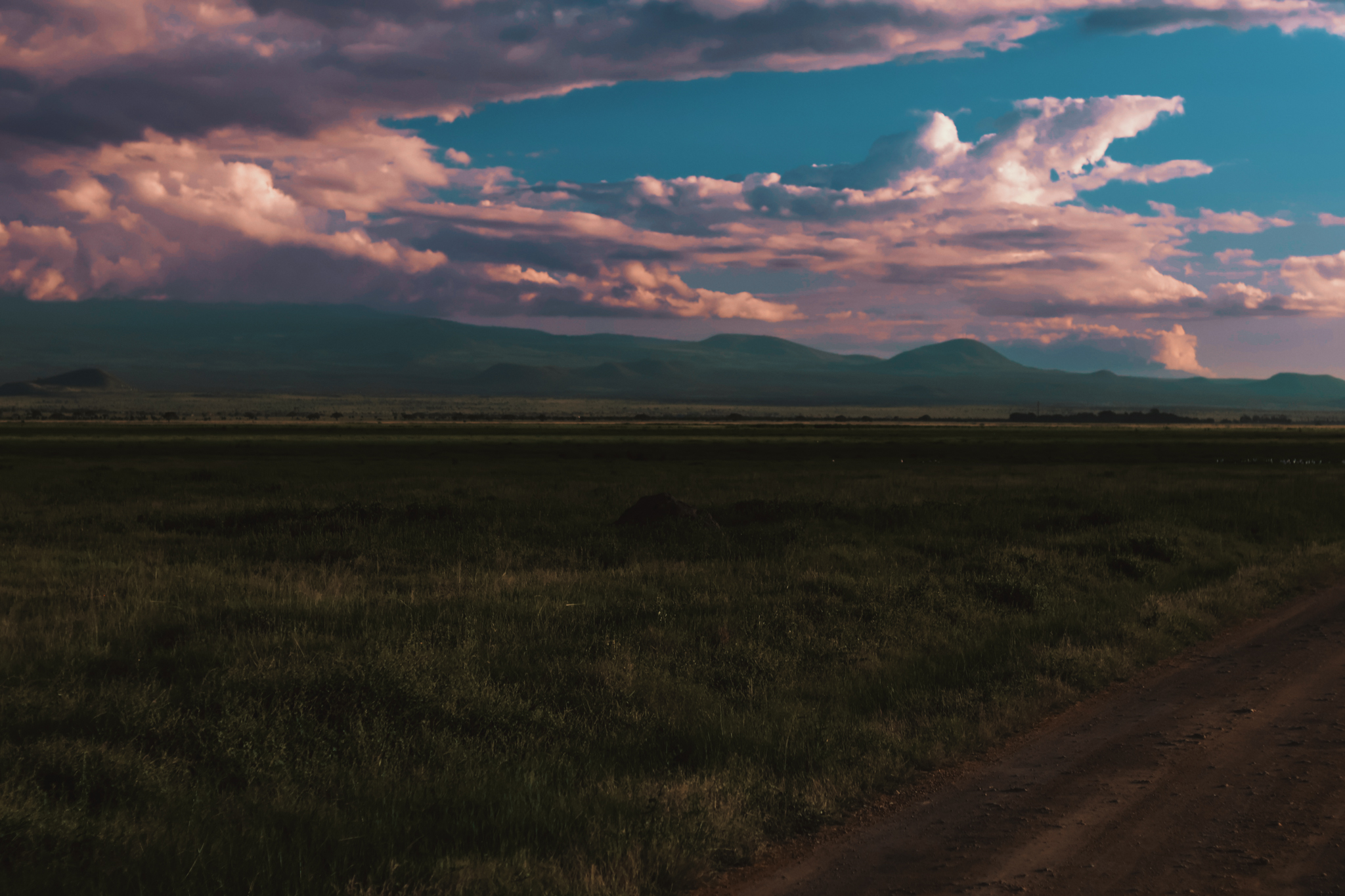
Beneath the watchful eye of Africa’s behemoth, Mt. Kilimanjaro, the ancient fertile plains of Amboseli National Park embrace an eerie profound silence. To journey here is to confront the essence of existence, to stand at the crossroads of past and present, and to feel the weight of history and humanity in every breath of the East African wind.
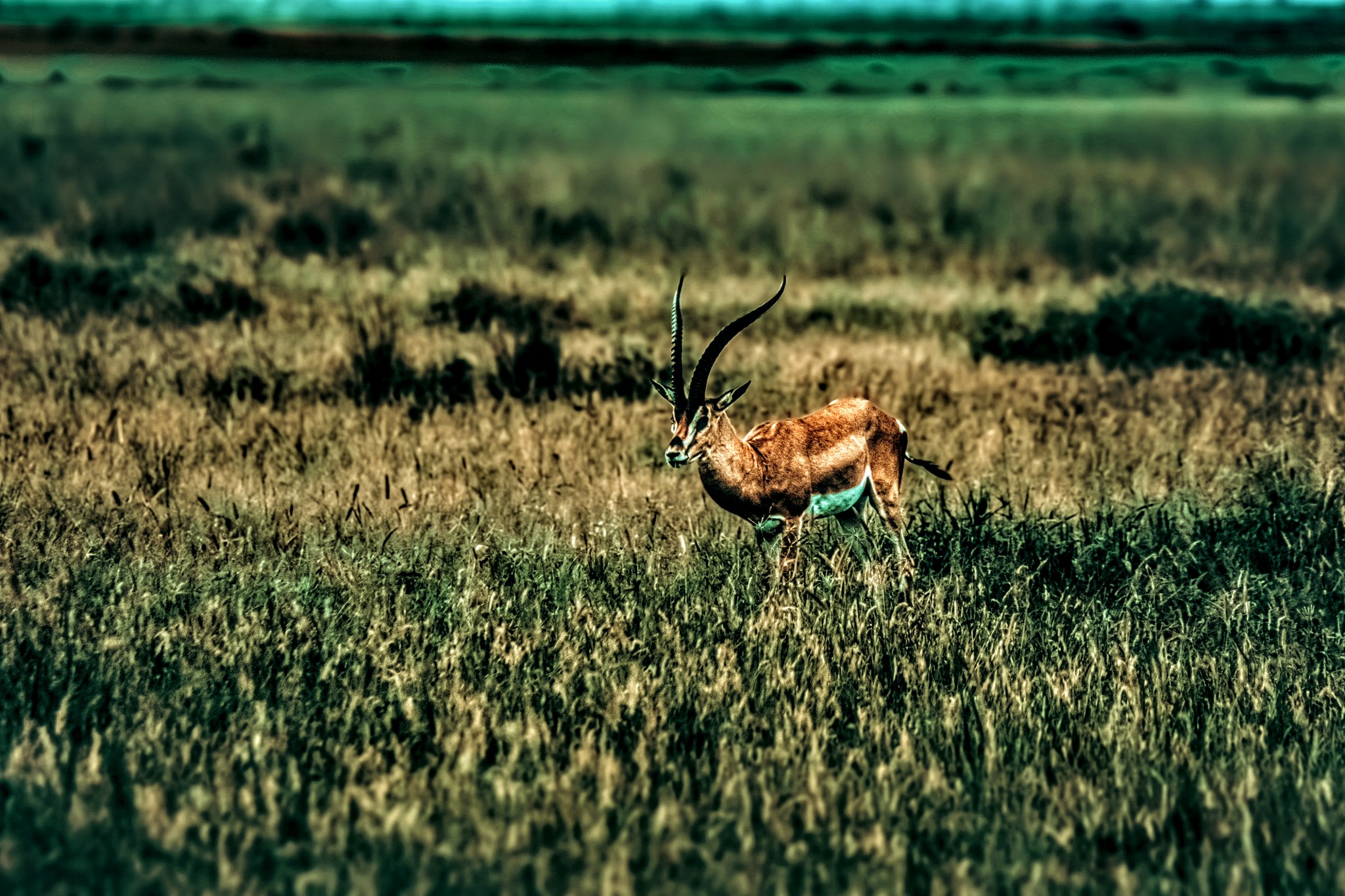
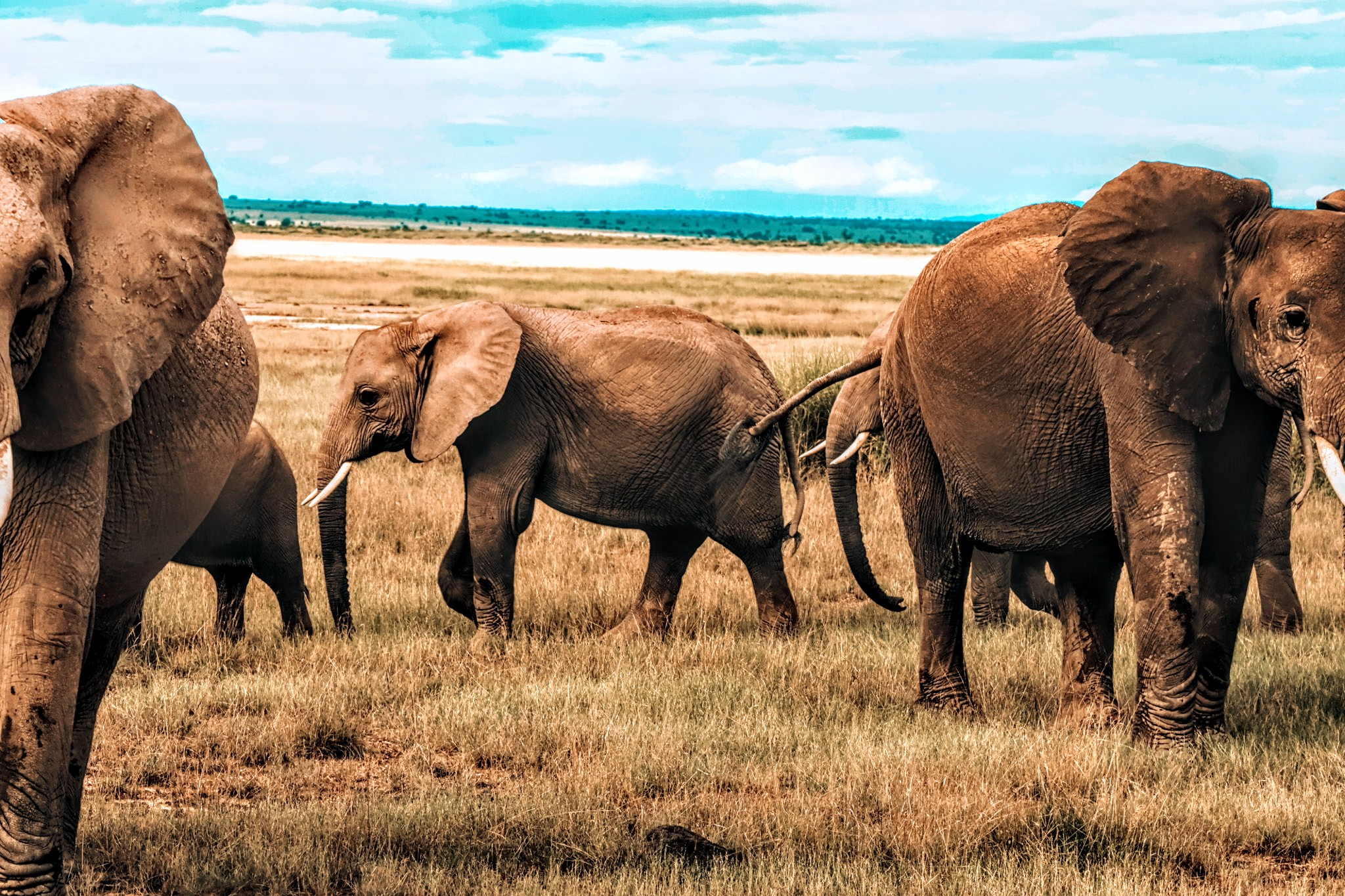
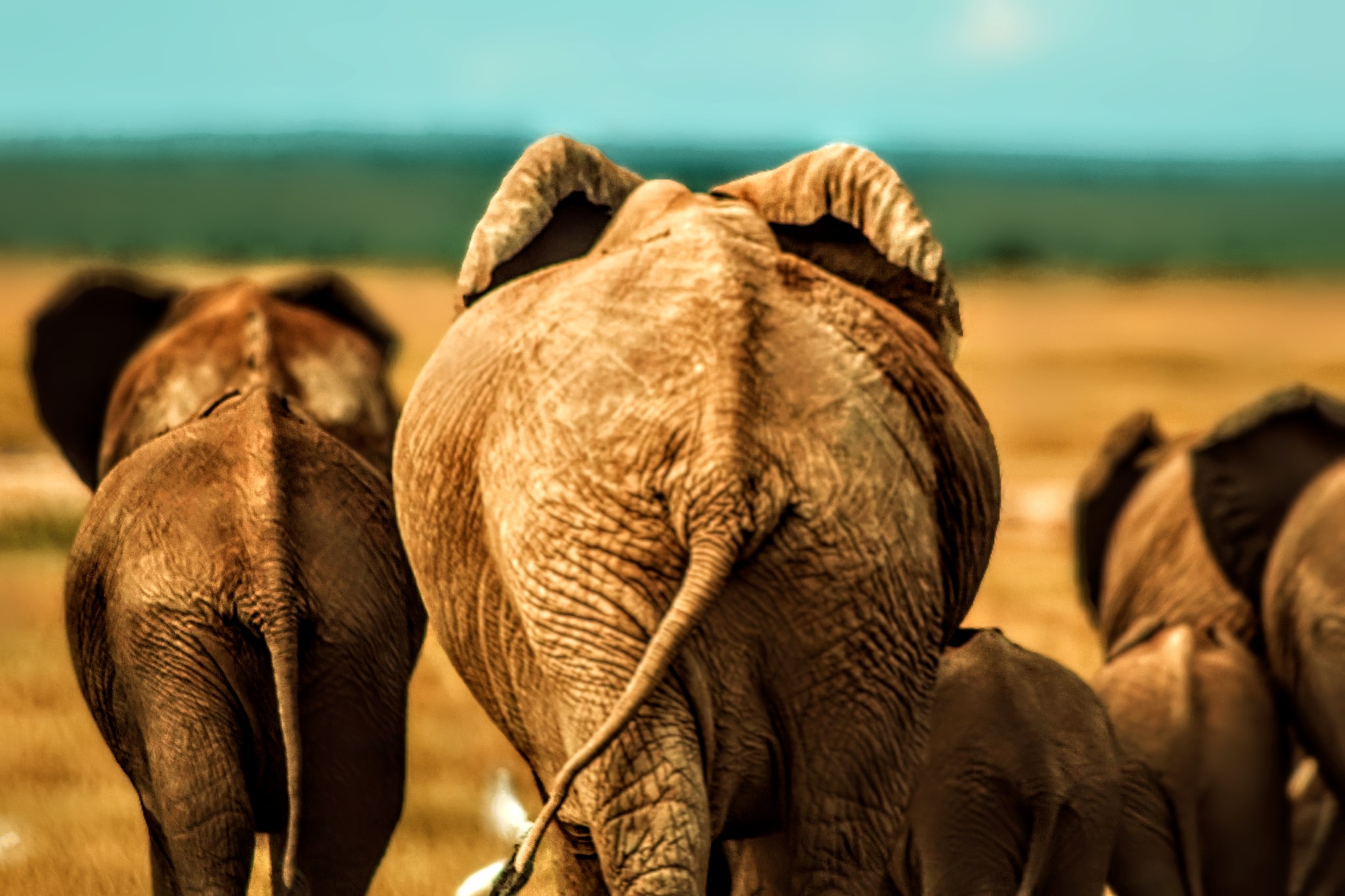
Amboseli is famed for its herds of elephants, colossal creatures that move with a grace that belies their size. Watching them, it’s easy to forget the hardships they face. Poaching, human-wildlife conflict, and habitat loss are constant threats. Yet, here they are, magnificent and enduring, a testament to the resilience of nature. It is indeed a land of stark contrasts, a mosaic of ecosystems that tell a tale of resilience and survival.
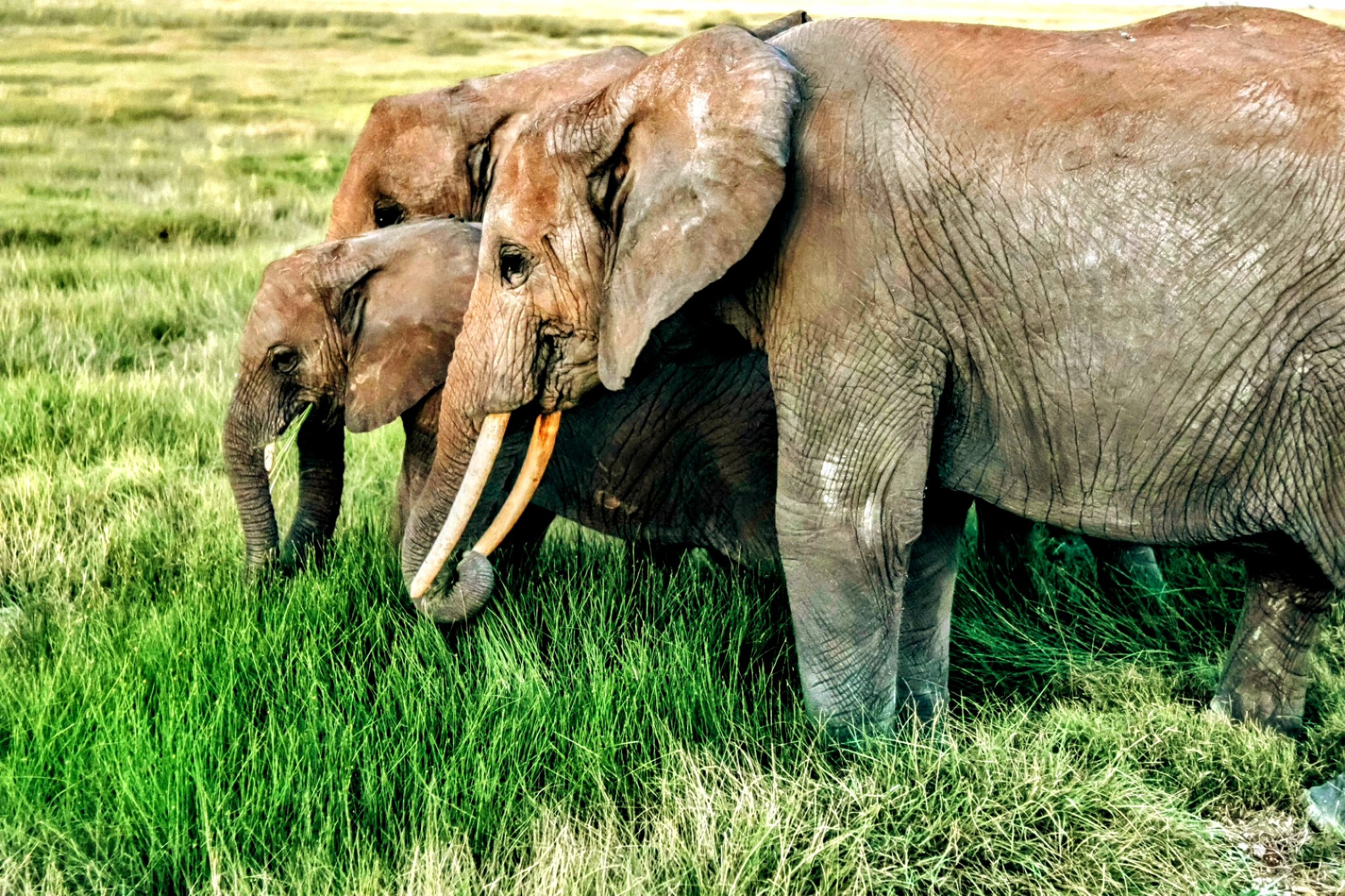
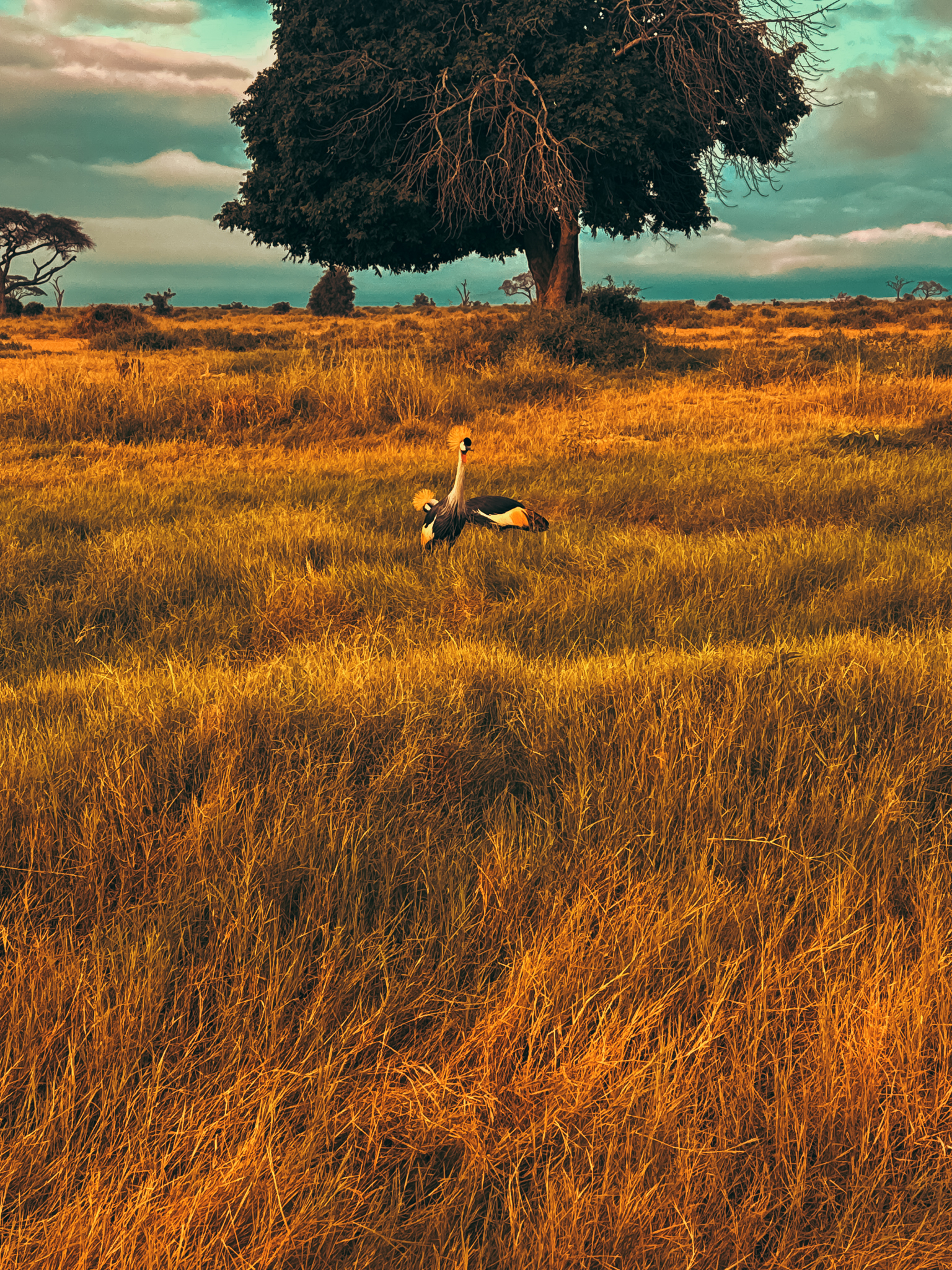
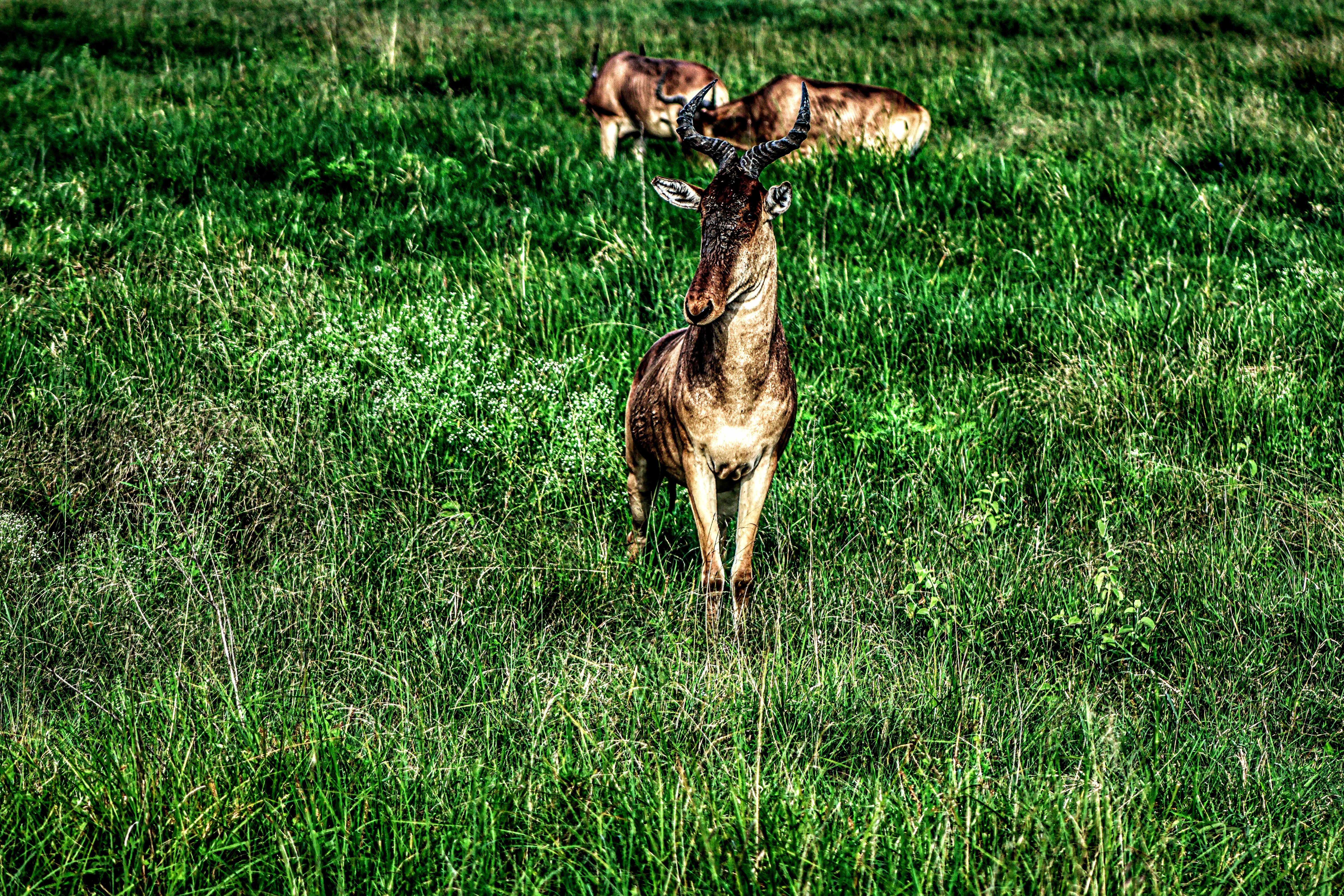
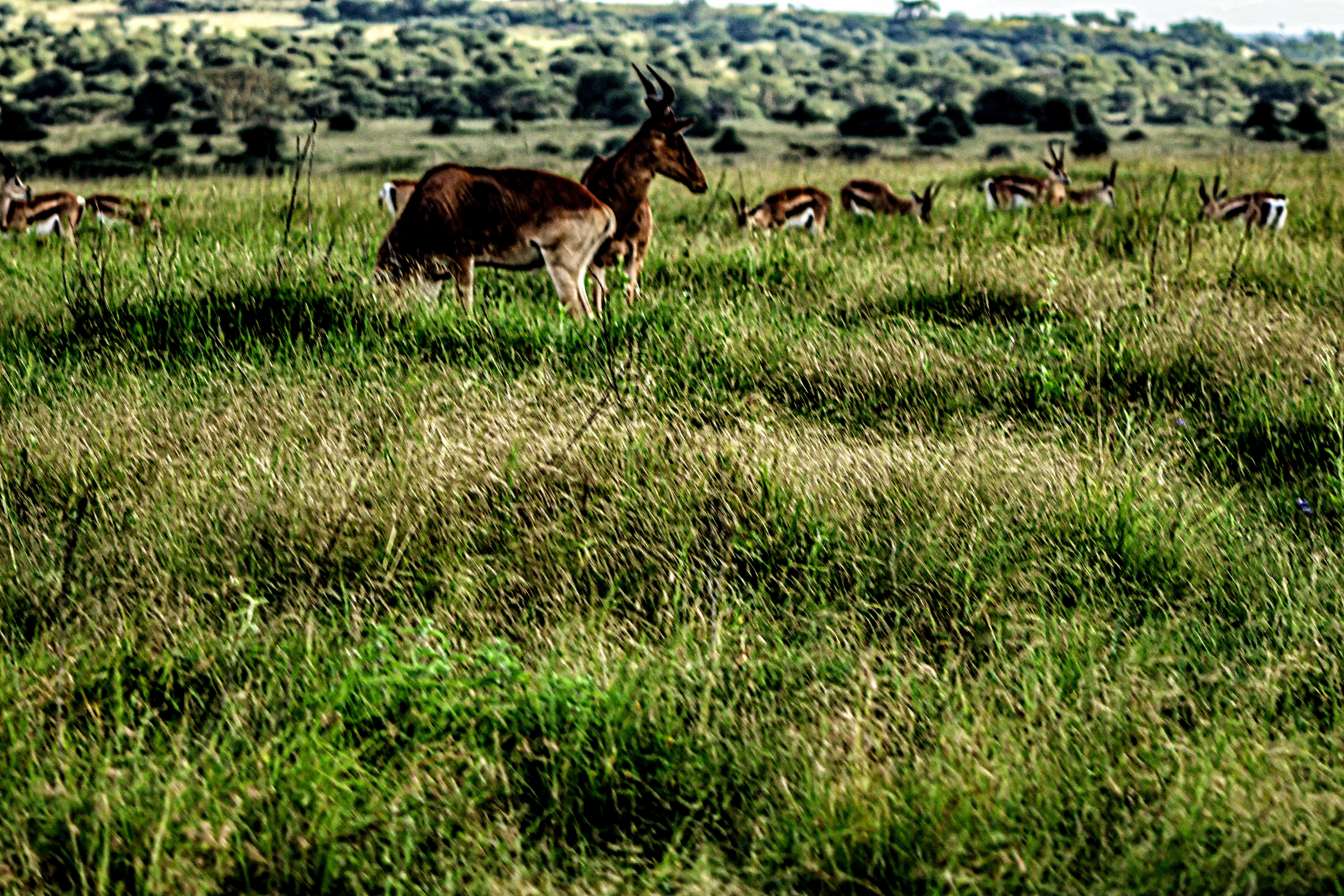
The name “Amboseli” comes from a Maasai word meaning “salty dust,” an apt description for this arid landscape punctuated by lush swamps and perennial springs. These waters, fed by the melting snows of Kilimanjaro, sustain a vibrant tapestry of life. Here, elephants roam free, their great tusks gleaming in the sunlight, a testament to the power and fragility of nature.
The mountain’s glaciers, now receding, tell a somber story of a changing world. Kilimanjaro stands as a poignant reminder of the impermanence of life, of the delicate balance between man and nature. Its presence is both humbling and inspiring, a call to recognize our place in the grandness of existence.
However, Amboseli and Kilimanjaro are not just about the landscapes and wildlife; they are about the people who have called this land home for generations. The Chaga people, who live on its slopes, call it “Kipoo” or “Kibo,” and their legends speak of a time when the earth was young and the gods walked among men.
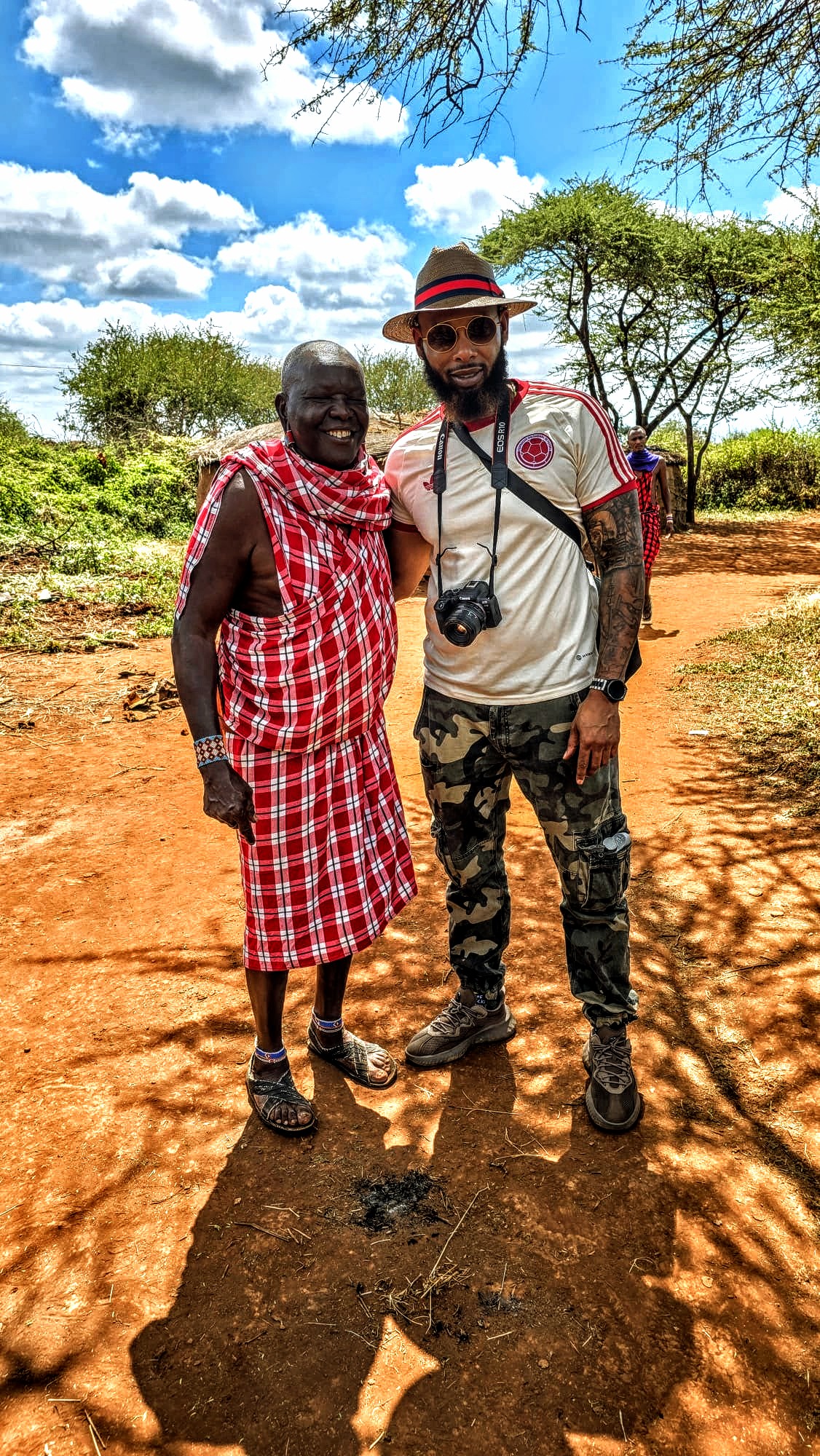
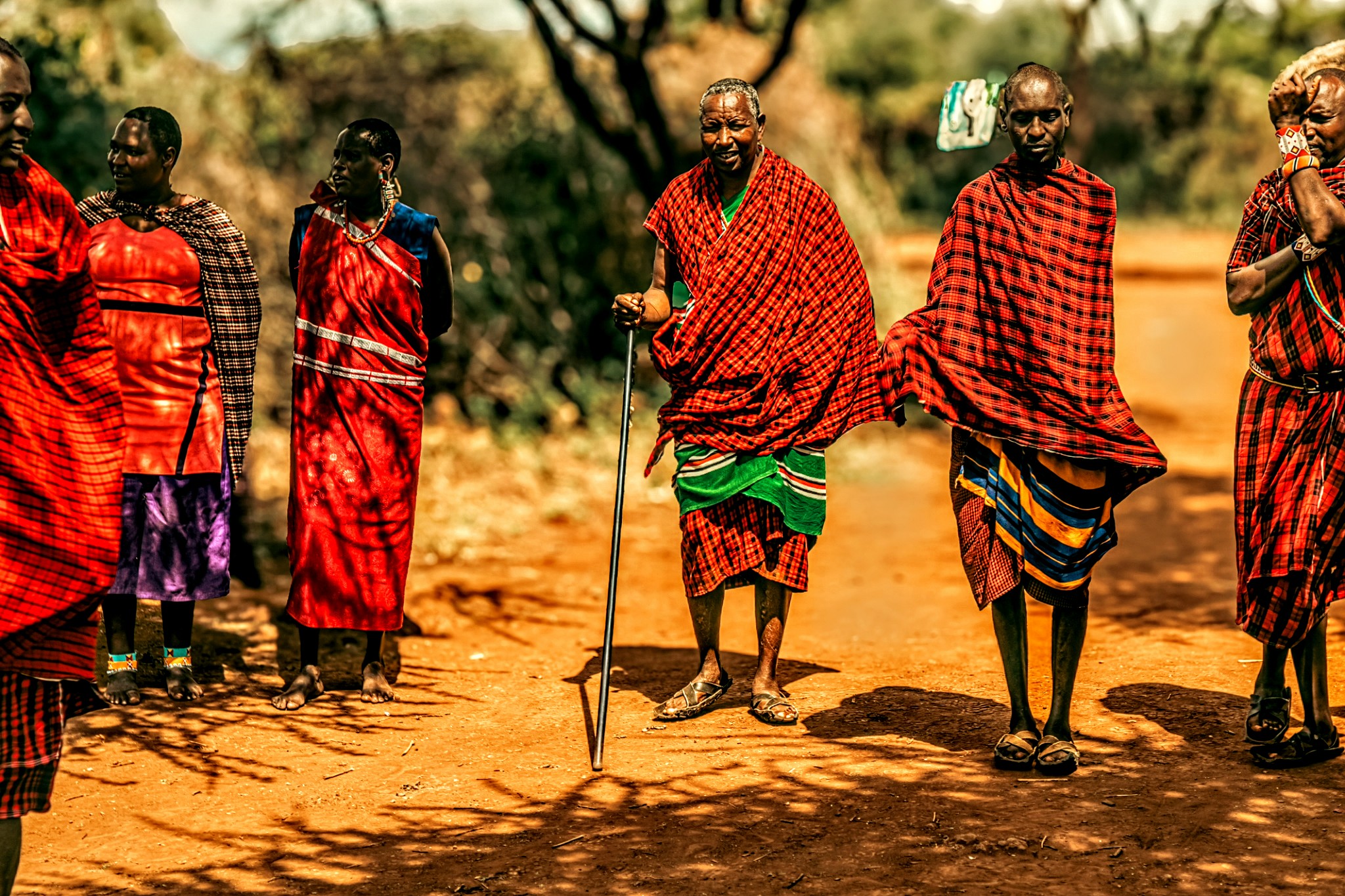
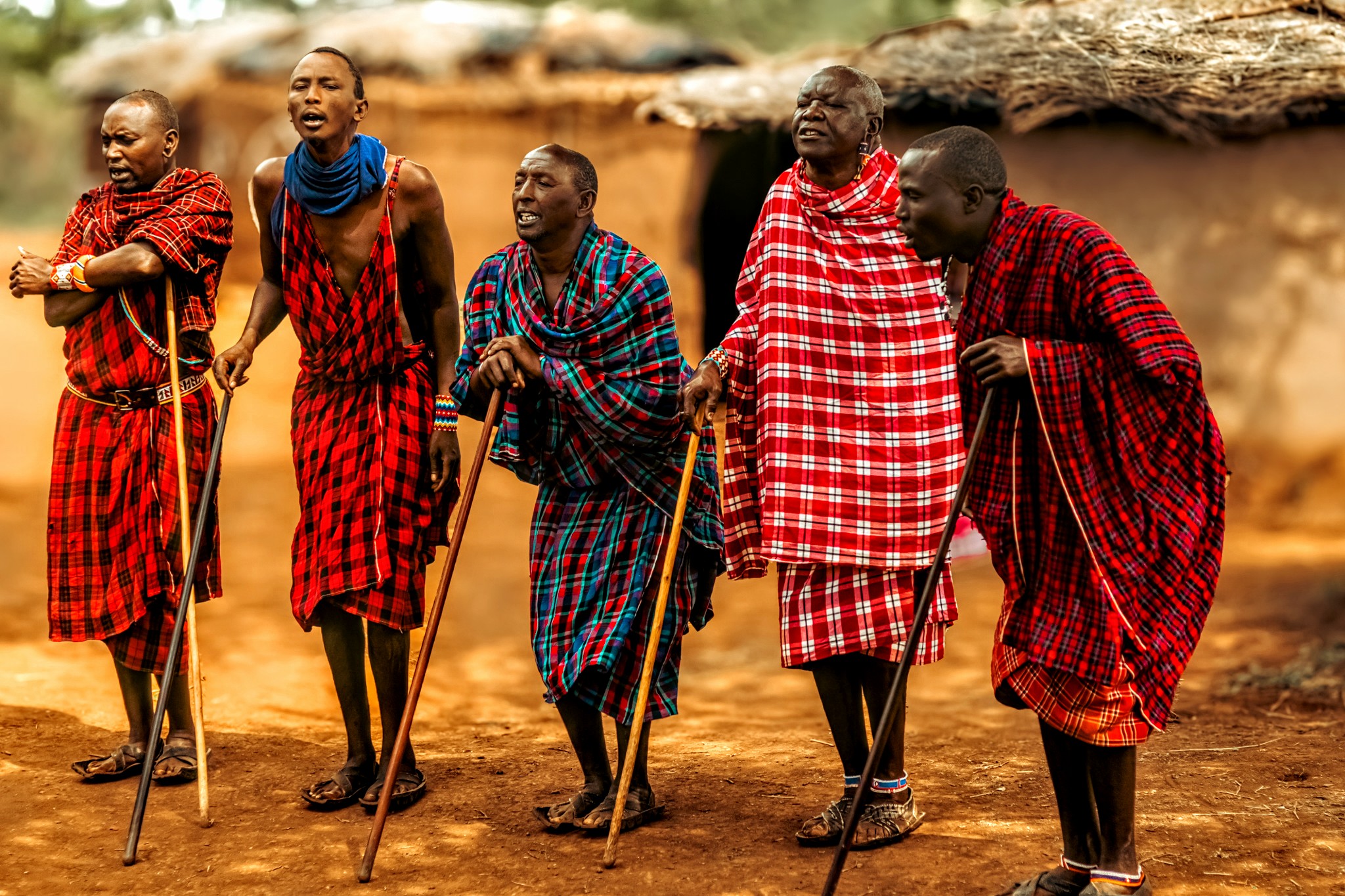
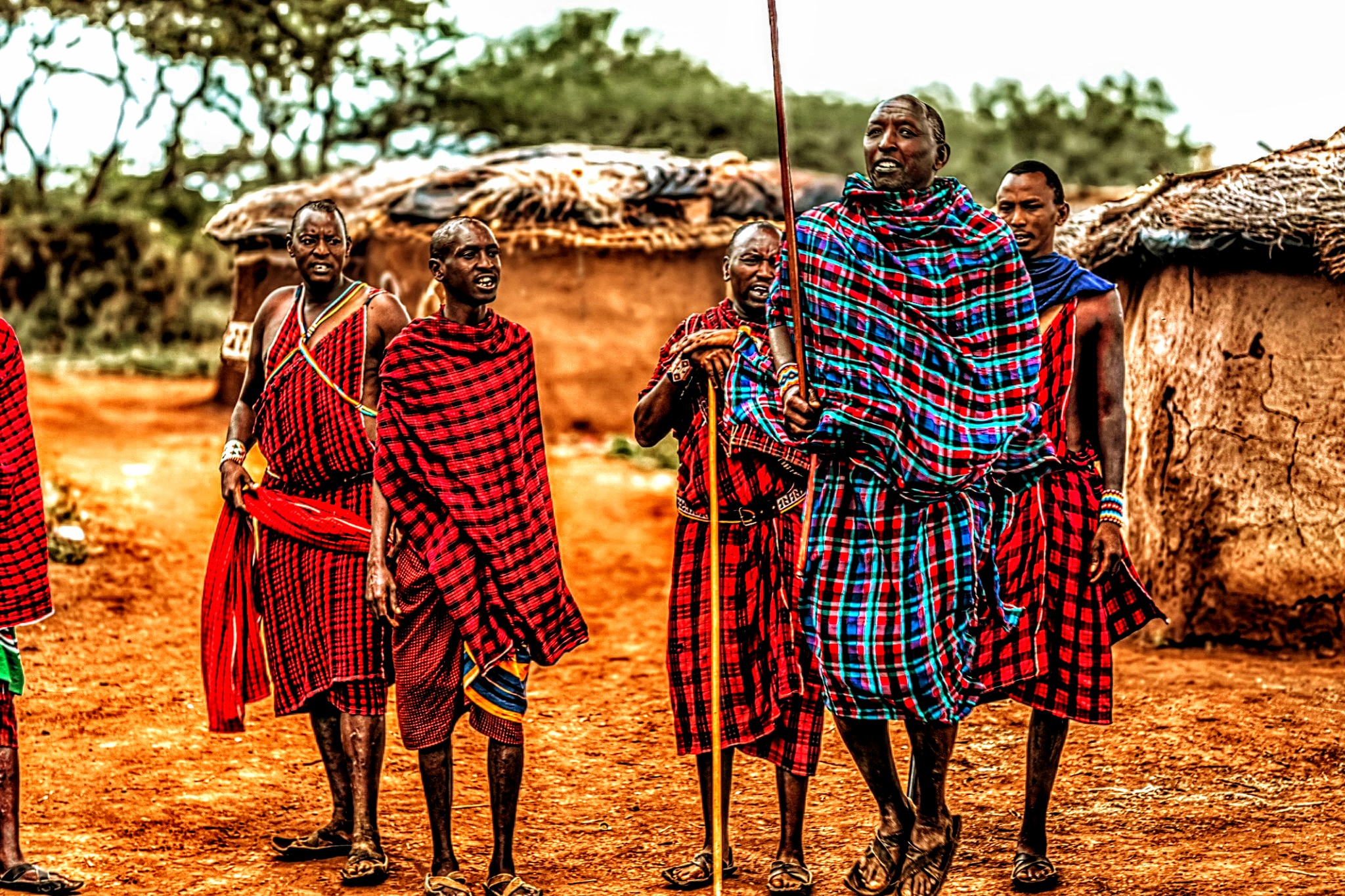
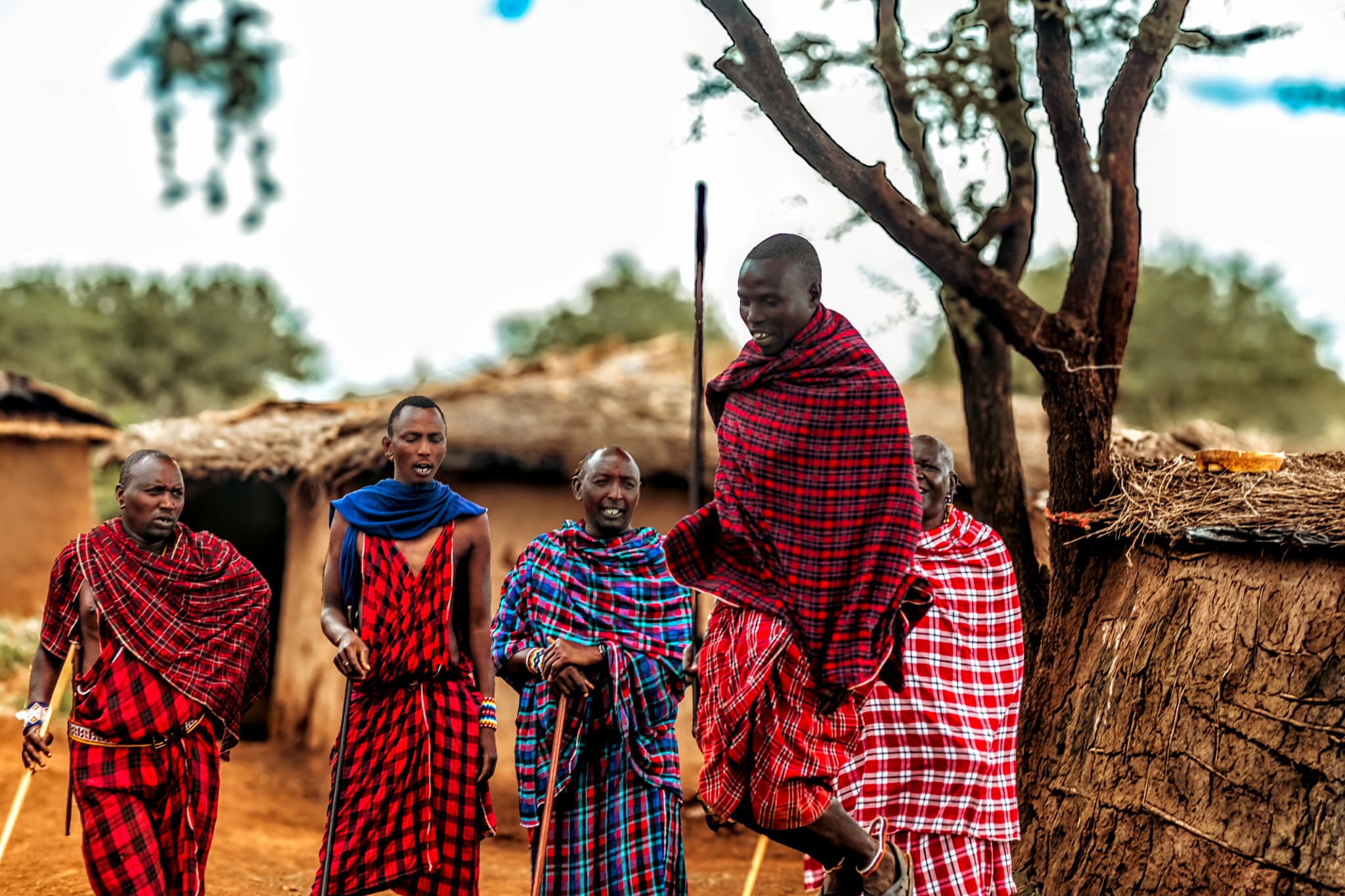
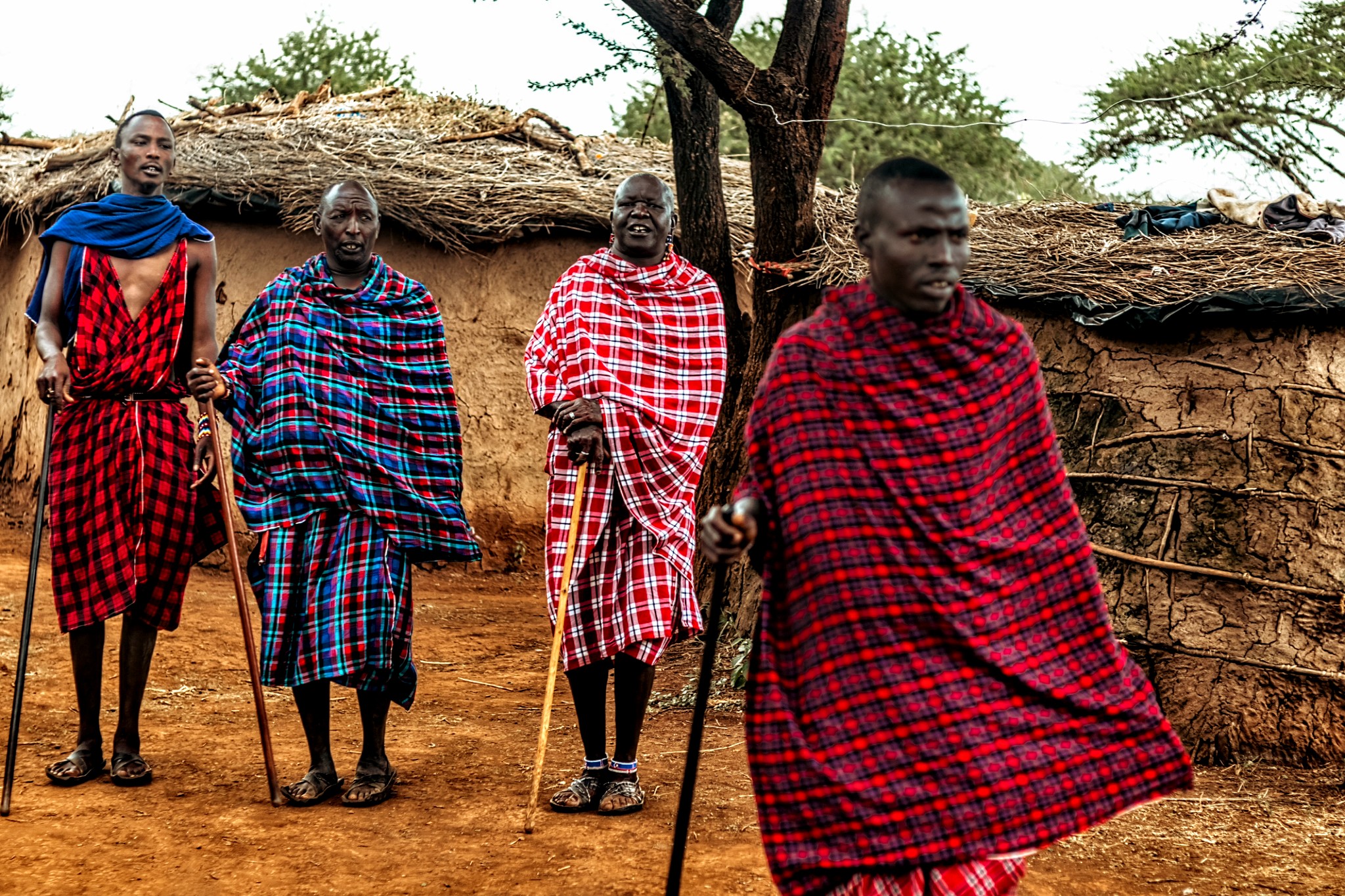
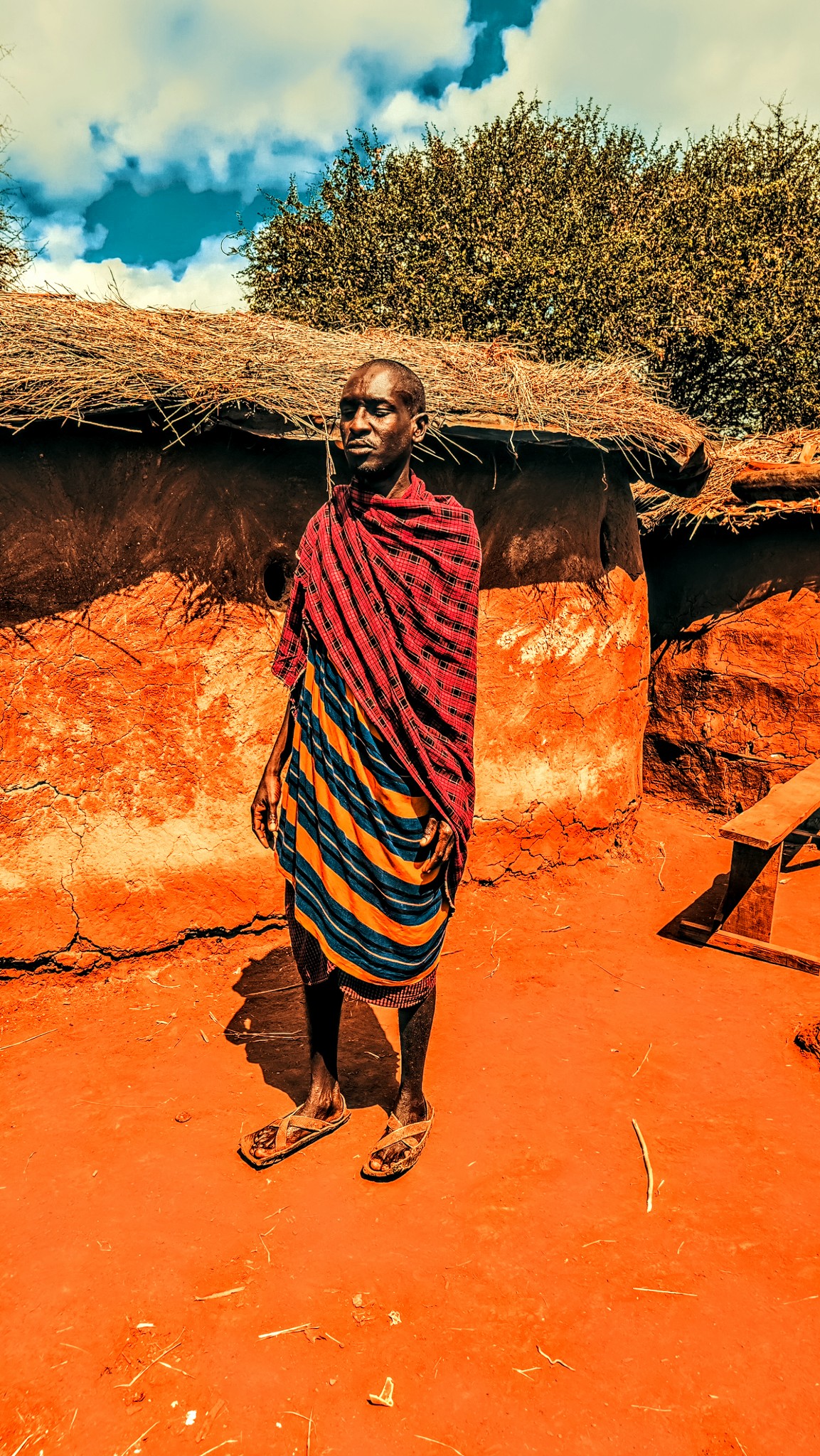
The more famous Maasai tribe, with their vibrant culture and deep connection to the land, are the soul of this region. Their lives are a testament to the harmony that can exist between humanity and nature, a harmony that is increasingly rare in our modern world.
The Maasai are also known for their jumping dance, or adumu, a vibrant display of strength and endurance where young warriors leap into the air, each jump a testament to their vitality and vigor. These dances, accompanied by rhythmic chants and the beat of drums, are not just performances but expressions of their deep spiritual connection to the land and their ancestors.
The Maasai are not merely inhabitants of this land; they are its guardians, its soul. Their history is a living testament to a people who have weathered the storms of time with grace and strength. Originating from the Nile Valley, the Maasai migrated south, arriving in what is now Kenya and Tanzania around the 15th century. They established themselves as formidable warriors and skilled herders, their lives intricately woven with the rhythm of the seasons and the movements of their cattle.
The life of the Maasai revolves around their cattle, which are more than just a source of sustenance; they are the heartbeat of the community. Cattle represent wealth, social status, and the bond between the Maasai and their environment. To see a Maasai herdsman leading his cattle across the plains is to witness a dance as old as time, a dance of mutual respect and dependence.
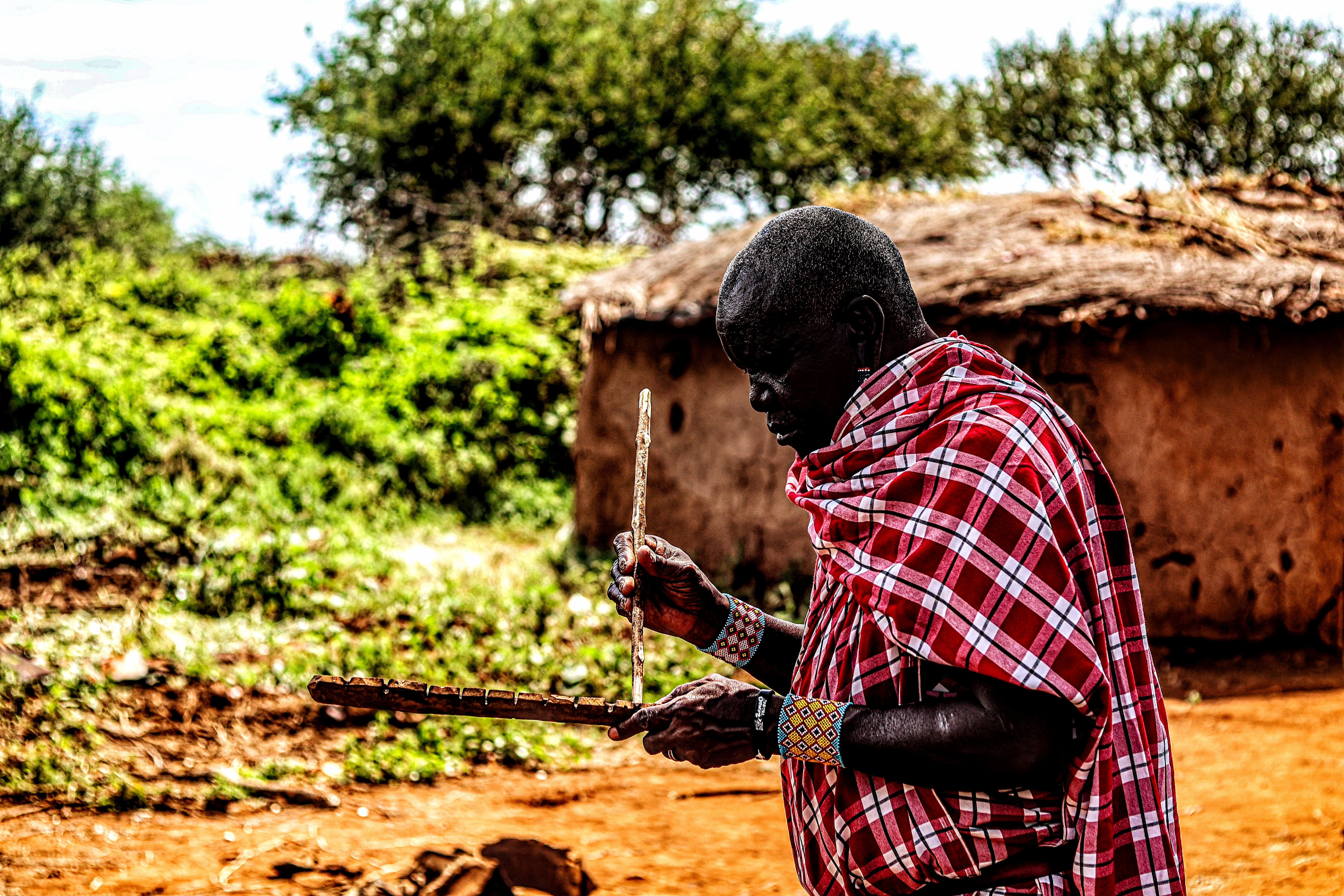
The men, often seen with their spears and ornately beaded jewelry, are the guardians and providers. They lead the cattle to graze and protect the community from threats, both human and animal. The women, adorned in vibrant beads and intricate patterns, are the heart of the home, tending to the children, preparing food, and creating the beautiful beadwork that the Maasai are famous for. Their beadwork tells stories of age, marital status, and social standing, each bead a piece of the larger narrative.
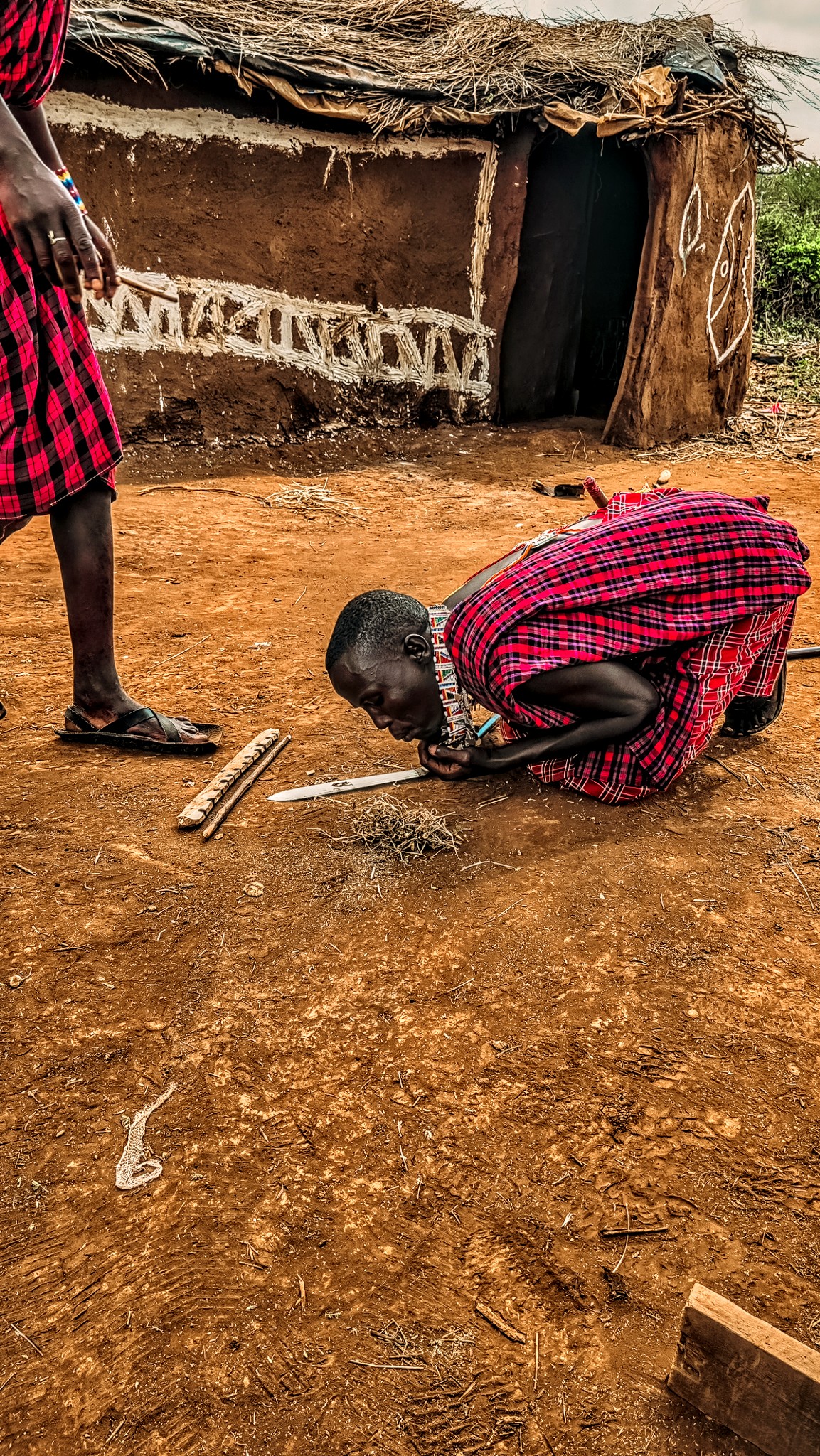
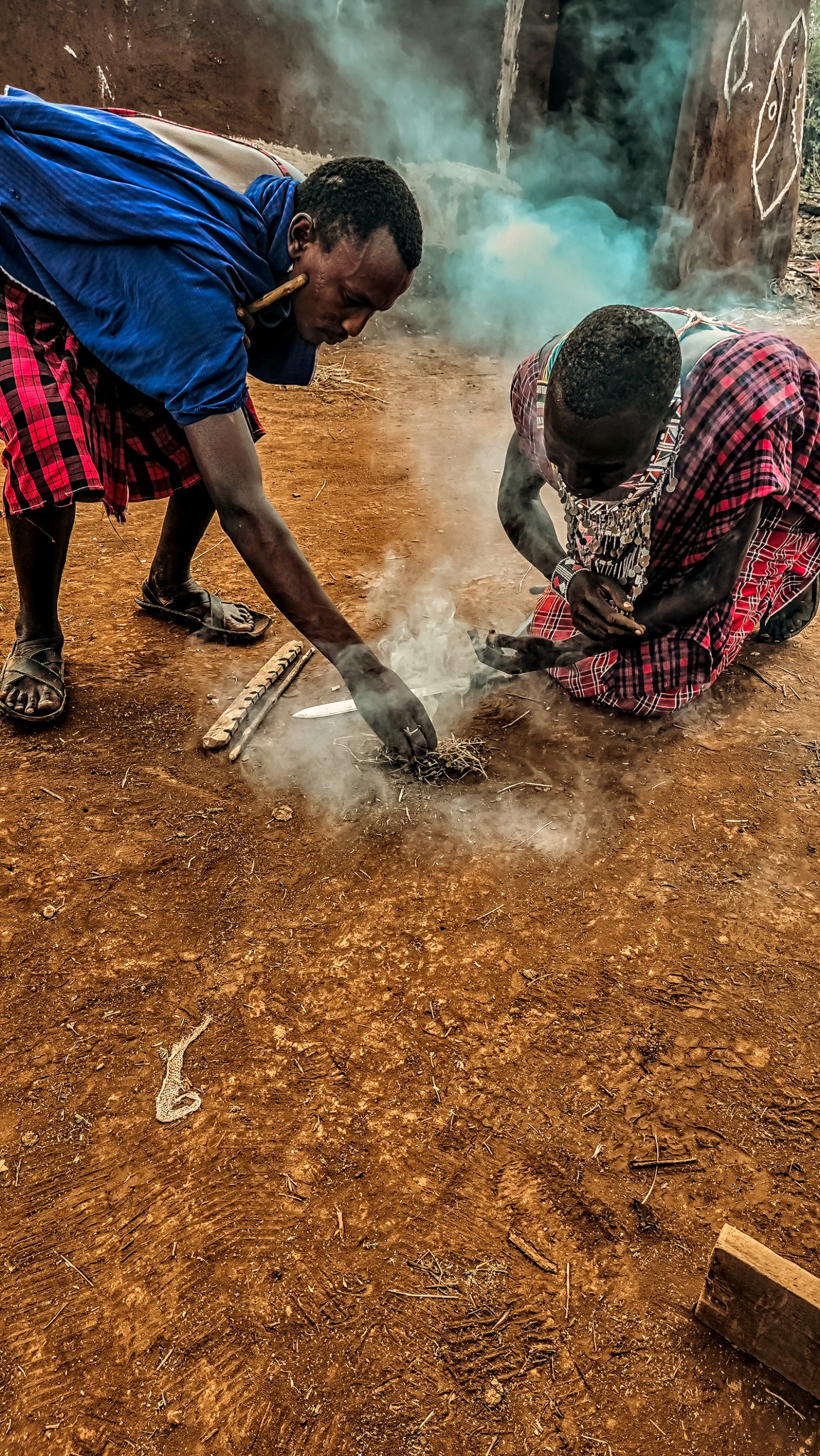
The manyatta, or Maasai village, is a circle of protection and unity. The huts, built by the women from mud, sticks, and dung, are more than mere shelters; they are homes filled with the warmth of family and the echoes of ancestral wisdom. The central cattle enclosure, surrounded by these huts, signifies the importance of cattle in their daily lives.
To walk with the Maasai in Amboseli is to learn profound lessons in dignity, resilience, and community. It is to see a people who, despite the relentless march of time and change, remain steadfast in their identity and their connection to the land. Their story is not just their own; it reflects our shared humanity, a reminder that the essence of life is found in the connections we forge and the traditions we uphold.
In the words of my literary idol, James Baldwin, “The great force of history comes from the fact that we carry it within us.” The Maasai carry their history with a grace that is both humbling and inspiring. They remind us that to honor the past is to live fully in the present, and to look towards the future with a spirit unbroken by adversity.
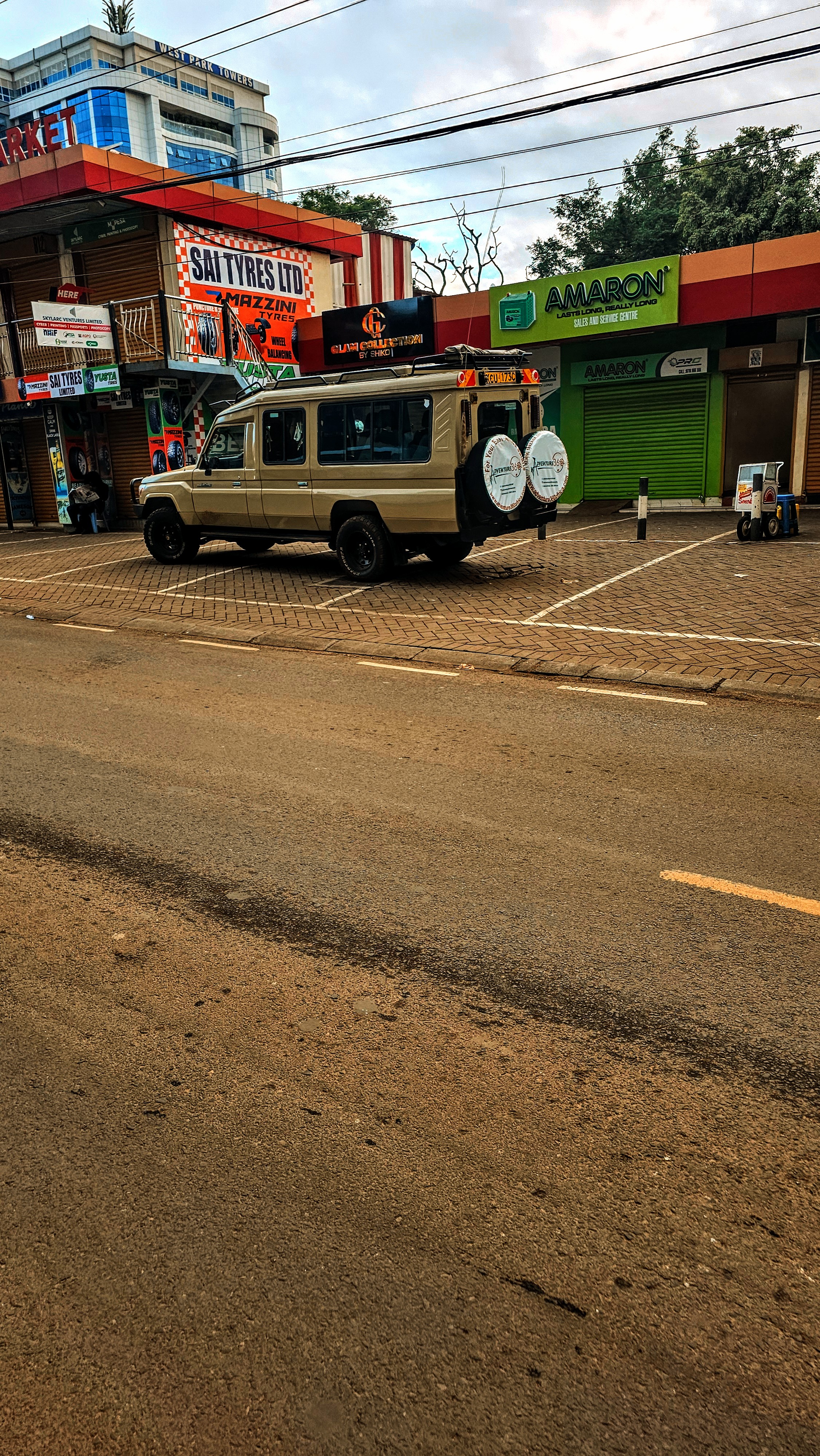
In closing, I highly recommend Kibo Safari Camp (https://kibosafaricamp.com/), one of the several lodging options within the park. The hospitality that I received there was the perfect blend of helpful and un-smothering. Meals featured various options of local gastronomy and common dishes. My hut featured a large king-sized bed with mosquito netting, private bathroom with functional plumbing (a convenience that I will likely never give up) and plenty of space and comfort. Nighttime strolls through the grounds are well lit along the stone laid walkways giving both a romantic and highly alert vibe. The bar area is large, staffed with skilled mixologists who also provide great conversation. I booked my excursion through Adventure 360 Africa https://www.safaribookings.com/p2244 . My agent was Charity, she is both responsive and trustworthy. You can contact them through WhatsApp +254723297800






 Stay TripPen Travel
Leave a comment